Mongolian boots full of design sense
Reading times:245 Update time:2026-04-23
The Craftsmanship of Mongolian Boots
The craftsmanship of Mongolian boots is extremely complex. Traditionally, making a pair of boots by hand usually involves four major processes and more than 50 meticulous steps.
Making the Sole: This is the most fundamental and crucial step, mainly including making the 'thousand-layer sole' (made by bonding and pressing multiple layers of cloth and leather) and attaching the leather sole.
Making the Boot Shaft: This step mainly involves making the upper parts and the boot shaft, and sewing them together.
Putting Together the Boot: The prepared sole and boot shaft are sewn together to form the preliminary shape of the boot.
Finishing the Boot: Finally, the boots are placed on a last, beaten and shaped so that the outline is firm. Only then is a pair of boots considered complete.
Traditional Mongolian boots are mostly hand-stitched, emphasizing unique techniques such as the 'thousand-layer sole' and 'earth covers sky' (the sole wraps around the upper) to ensure they are sturdy, durable, and warm.
Main Types of Mongolian Boots
Mongolian boots can be divided into different types according to material, style, and purpose. The following are some of the most representative boots:
Type | Main Features | Suitable Occasion
Leather Boots | The most common, made from cowhide, horsehide, etc., sturdy, durable, waterproof, and cold-resistant. | Daily wear, horseback riding
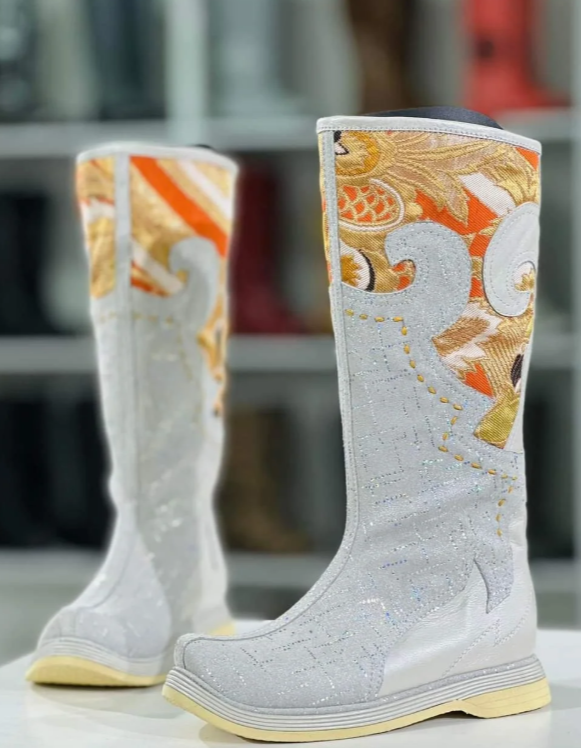
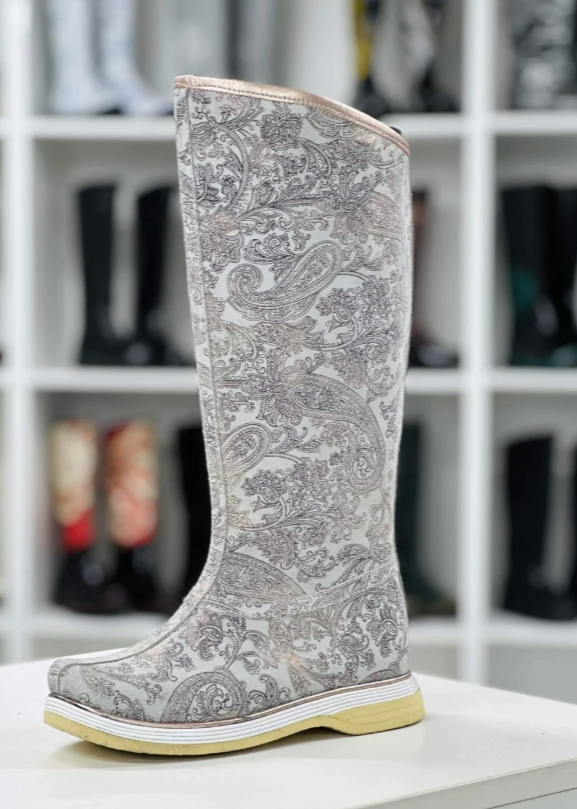
Cloth Boots | Made from high-quality cloth or thick velvet, often embroidered with exquisite patterns, lightweight and soft. | Festivals, daily wear
Felt Boots | Molded from sheep wool or camel hair, extremely warm, not differentiated for left or right foot. | Extremely cold weather, winter
Horsehair Boots | Covered with horsehair on the outside, lined with wool, easy to clean, combining warmth and fashion. | Winter, outdoor activities
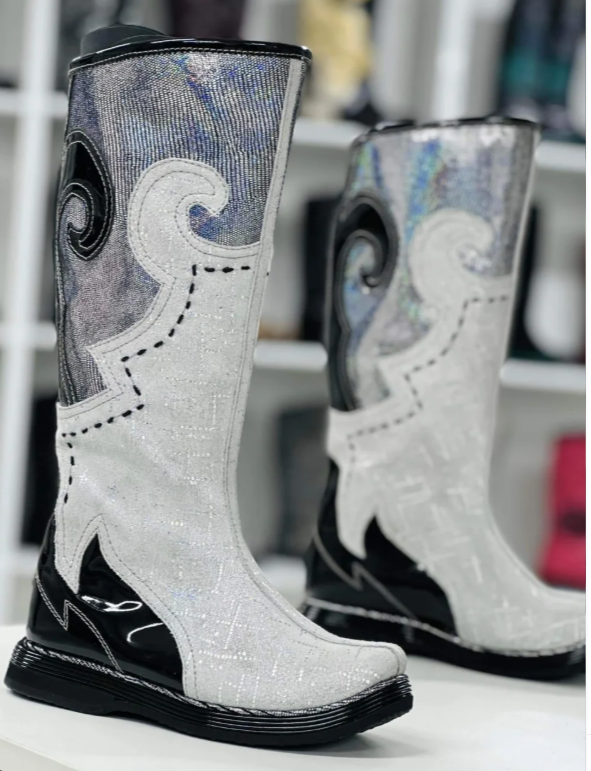
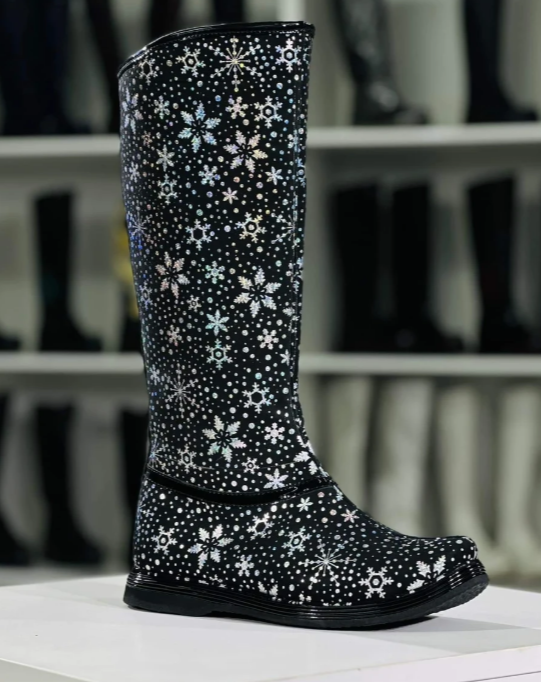
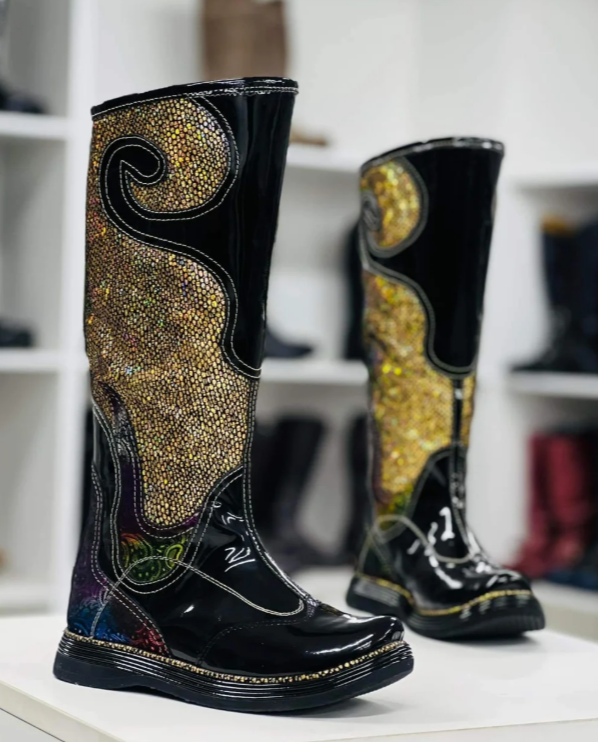
Overall, there are numerous types of Mongolian boots, each with its unique craftsmanship and specific usage scenarios, embodying the wisdom of the Mongolian people.




 Phone
Phone Whatsapp
 Email
Email